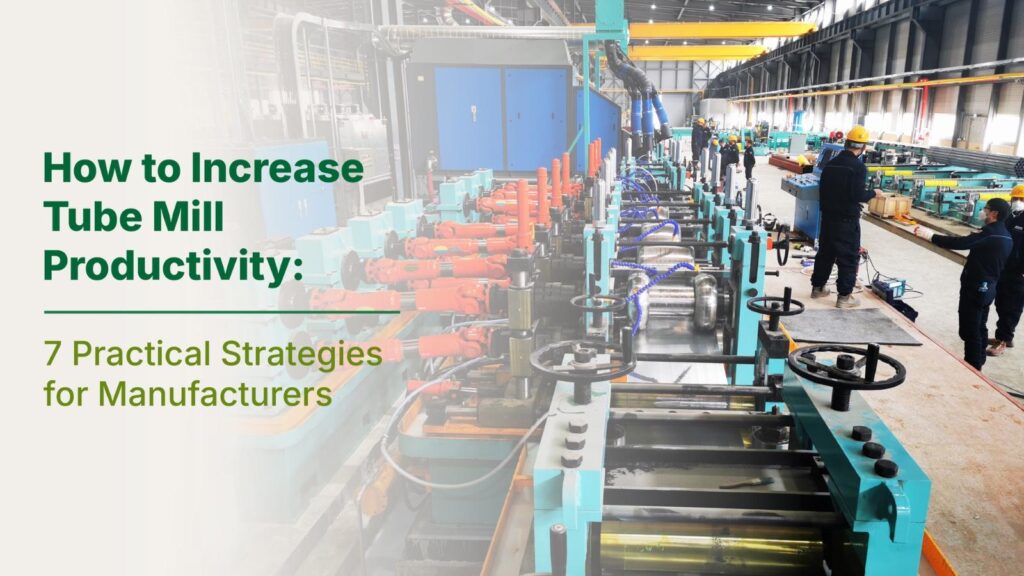

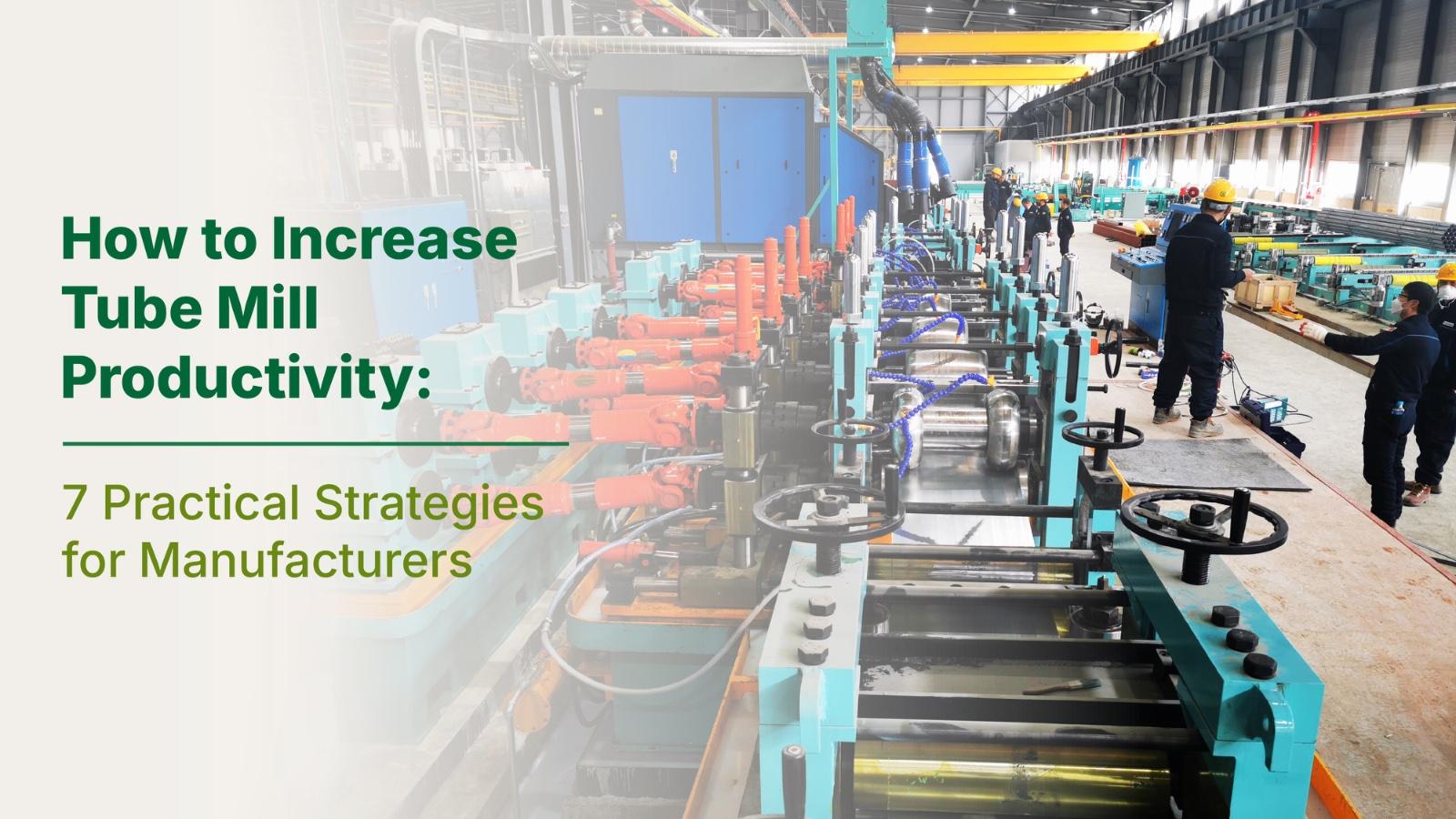
For tube and pipe manufacturers, productivity is not just about running the line faster. It is about reducing downtime, cutting waste, keeping quality steady and getting the most out of every shift without losing precision. In a market where profits are tight and deadlines keep getting shorter, even small improvements in tube mill productivity can lead to big gains in money made.
The good news is that tube mill productivity does not depend on luck or hard work alone. It comes from equipment design, strong process habits and smart choices in operation. In this blog we will look at seven strategies that manufacturers can use to increase tube mill productivity, whether you are running an ERW line or a full plant.
1. Reduce Changeover Time with Quick-Change Tooling
One of the hidden issues on any tube mill is the time it takes to switch between different sizes or shapes. Every time a line changes from one product to another, production stops while workers adjust or swap out parts. Depending on the mill’s design, this can take a lot of time for companies that make small batches of many different products.
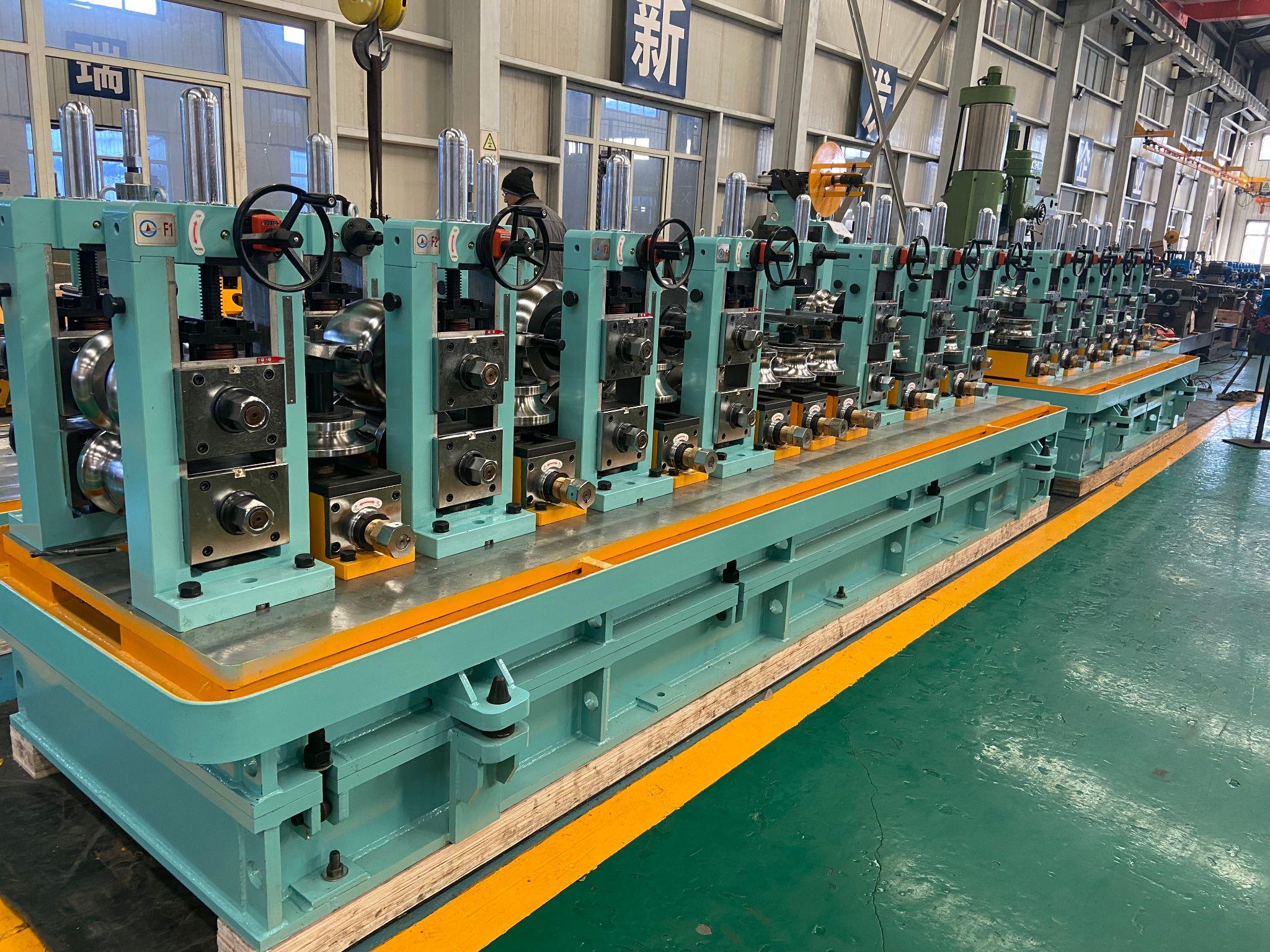
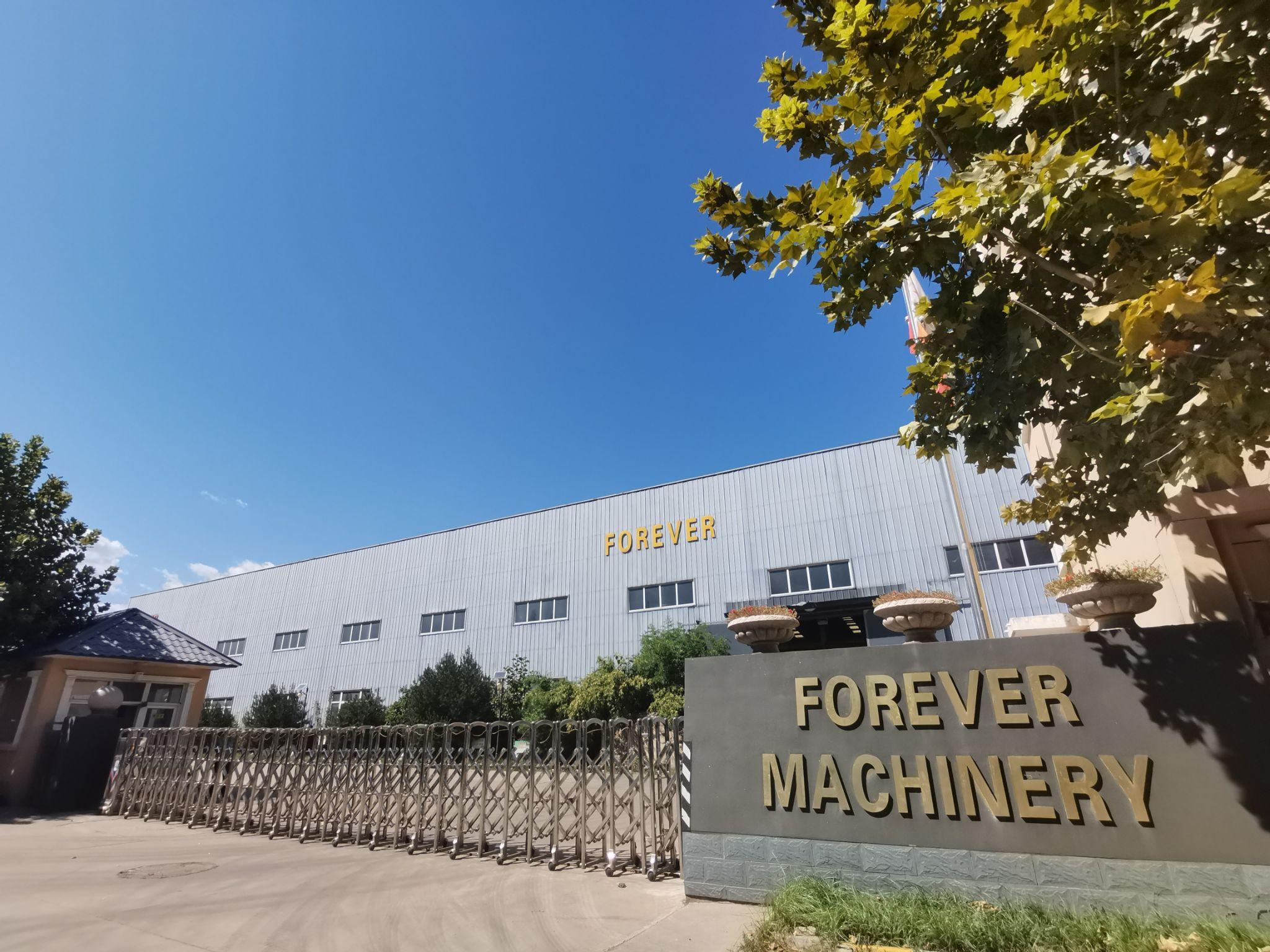
Quick-change tooling systems make this faster by letting entire roll sets be swapped as one unit instead of one piece at a time. That is why many manufacturers who upgrade their equipment choose mills that use quick-change systems. Forever Machinery, for example, builds its ERW tube mills with cassette-based quick-change systems to cut down on time lost between runs. The line stays running instead of sitting idle.
2. Use Digital Roll Adjustment Systems
Adjusting rolls by hand is slow and not very accurate, and it depends a lot on the person doing it. Even experienced workers make small mistakes each time they set up a line, which can cause scrap, rework or quality problems that hurt productivity.
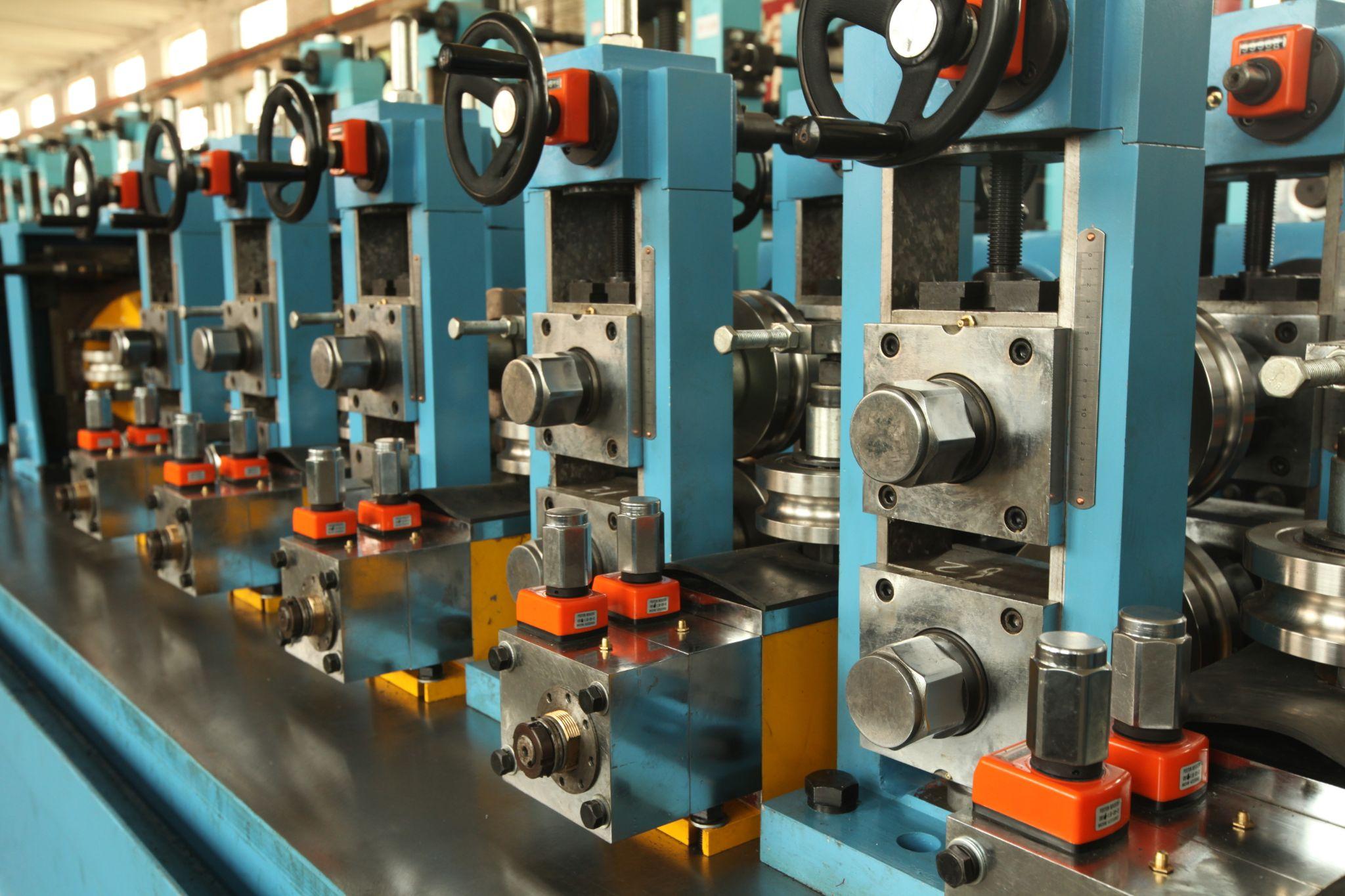
Digital roll adjustment systems solve this by letting exact settings be saved and used again. Instead of measuring by hand and guessing, operators can type in the numbers and let the system do the work. This makes setups quicker and helps avoid mistakes that cause quality issues.
Many modern machines now have roll adjustment as a standard feature. Forever Machinery’s tube mills include this in their control systems, helping companies save setup time and get results the first time around.
3. Invest in Direct Forming Technology for Multi-Size Production
If your factory makes different types of hollow sections like square, rectangular or custom shapes, traditional forming methods can slow things down. Each size change usually needs a new roll setup, which means more time stopped and more tooling costs over time.
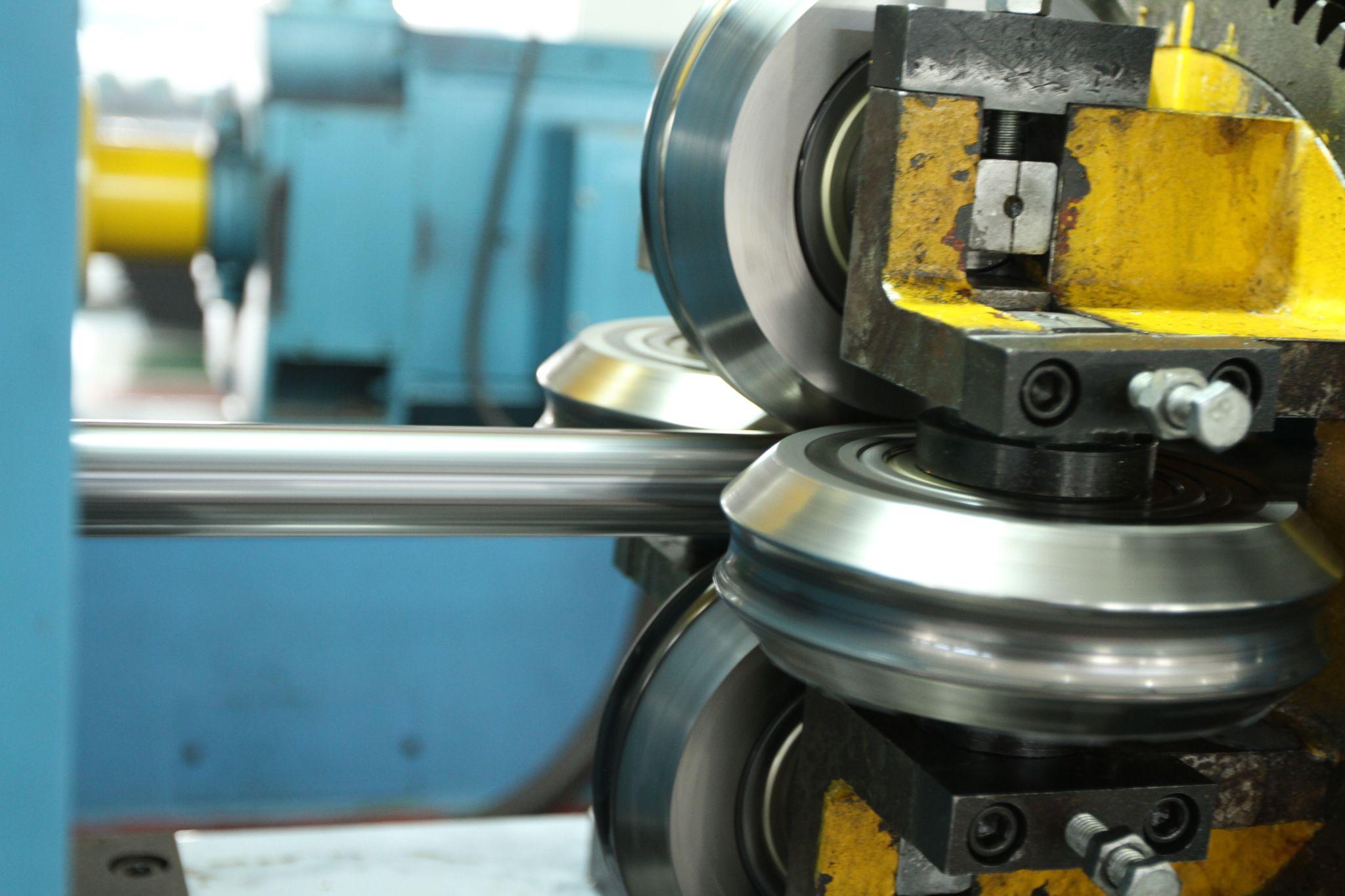
Direct forming technology helps by letting one line make different sizes without changing all the rolls each time. This is especially useful for companies that serve industries like construction, automotive and engineering, where each size might not have a lot of orders but the variety is high.
By not having to change rolls often, direct forming lines keep production going and reduce the time and money spent on setups. Factories that use fourth-generation direct forming systems like those from Forever Machinery can see fewer roll changes and more time running the line.
4. Focus on Preventive Maintenance and Equipment Reliability
Breakdowns are the worst thing for productivity. A single problem, like a faulty weld, a broken bearing or a roll that is not lined up right, can stop production for hours or even days depending on how bad it is and how fast parts can be fixed.
A good plan for checking and fixing things before they break is essential. This means checking rolls, welding parts and drive systems regularly and replacing parts that are wearing out before they fail. Keeping some spare parts on hand instead of waiting to order them also helps cut down the time lost waiting for parts.
Equipment reliability starts with the design. Machines built with parts that are made for tough environments tend to break less than ones made with cheaper materials. This is where the quality of the machine itself matters, not just the price.
5. Run the Line Faster Without Losing Quality
There is a temptation to just make the line go faster to get more out of it. Speed without control can cause problems. Making the line go too fast can lead to bad welds, wrong sizes and more scrap, which actually hurts productivity instead of helping.
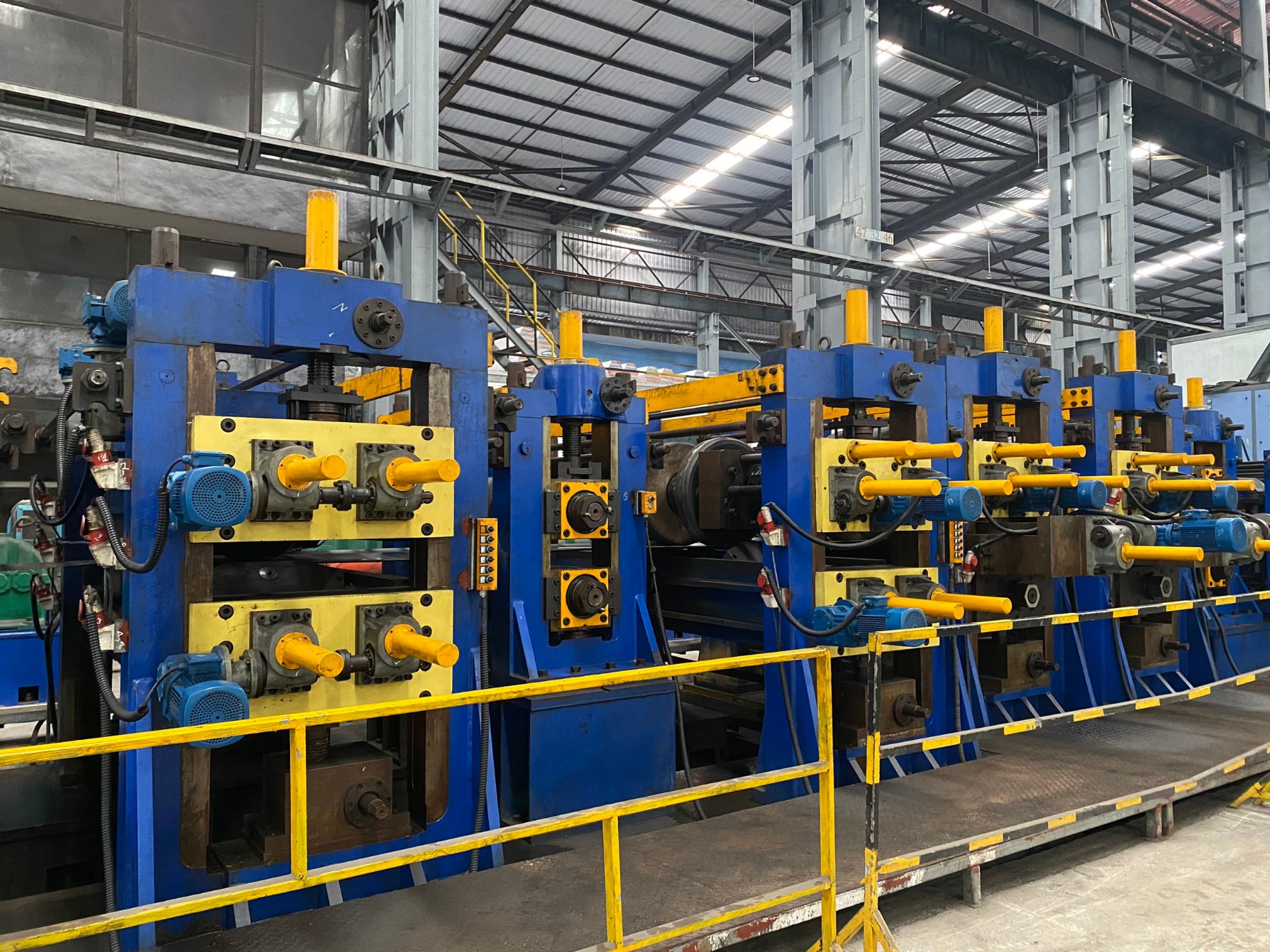
A better idea is to find the speed at which the equipment works best. High-precision tube mills, for example, can run up to 160 meters per minute while keeping tolerances like ±0.05 mm. This means higher output without losing quality.
This is why it is important to pick the right equipment when planning for productivity. A machine that is built to run fast and accurately will do better than one that is forced to go beyond what it is made for.
6. Train Workers on Both the Machines and the Process
Even the best tube mill will not work well if the people running it are not trained. This means not just understanding the basics but knowing how to fix small problems quickly, how to do changeovers faster and how to spot signs of a problem before it becomes a big issue.
Ongoing training also helps make sure new features, like digital controls or automatic tools, are used the right way. Companies that get training when they install new machines usually reach their best performance faster than those who learn on their own.
7. Partner with a Company That Offers the Complete Line
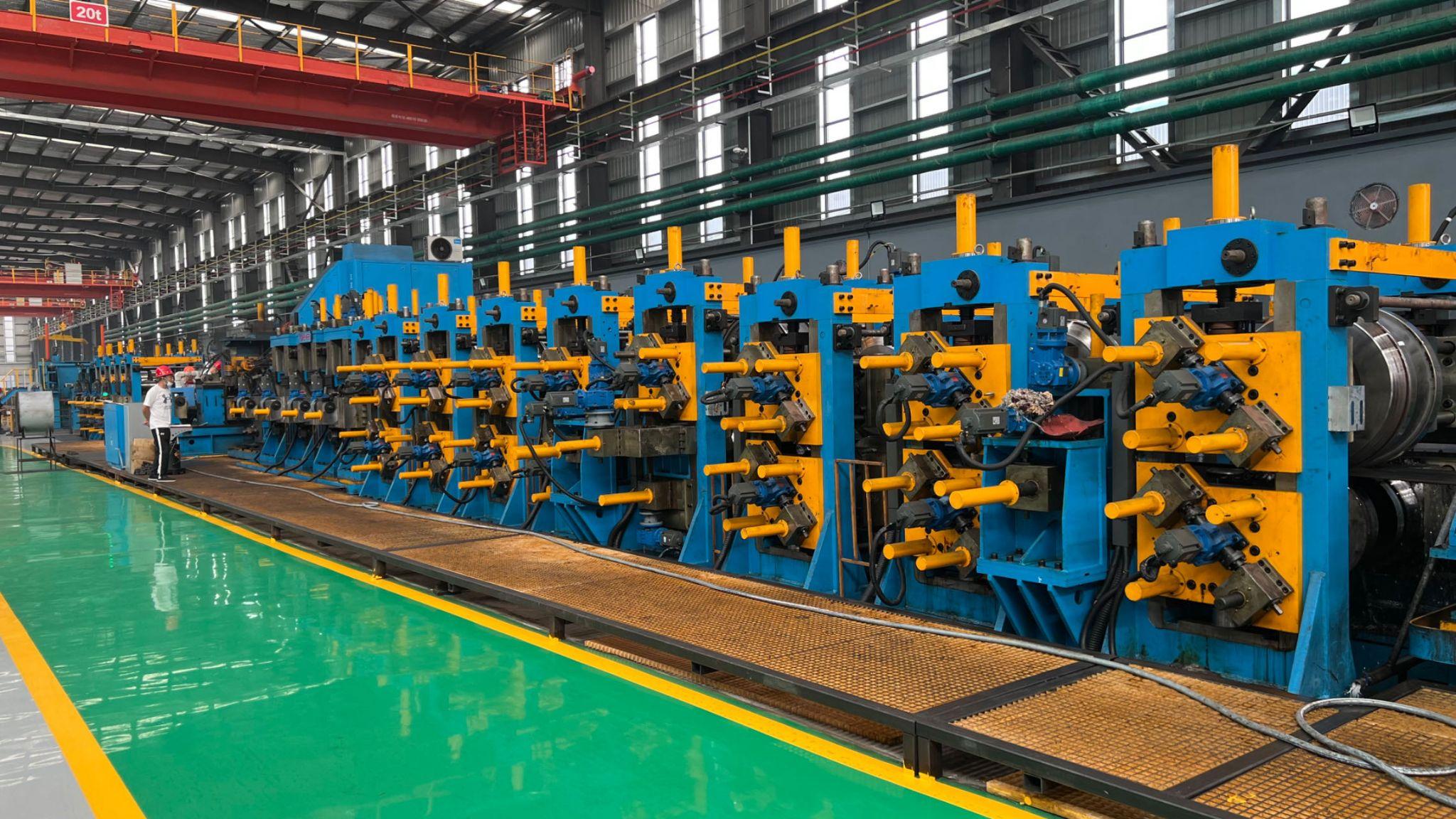
Productivity is not just about the tube mill alone. It is about how all the parts of the production line work together. Bottlenecks often happen not in the mill itself but between different machines, especially when those machines come from different suppliers and do not match up well.
Working with one company that can supply the whole line instead of buying from many different vendors often makes things run better. Companies with lots of experience in roll-forming and a wide range of products, like ERW tube mills, direct forming lines and cutting machines, can help set up a system that works smoothly.
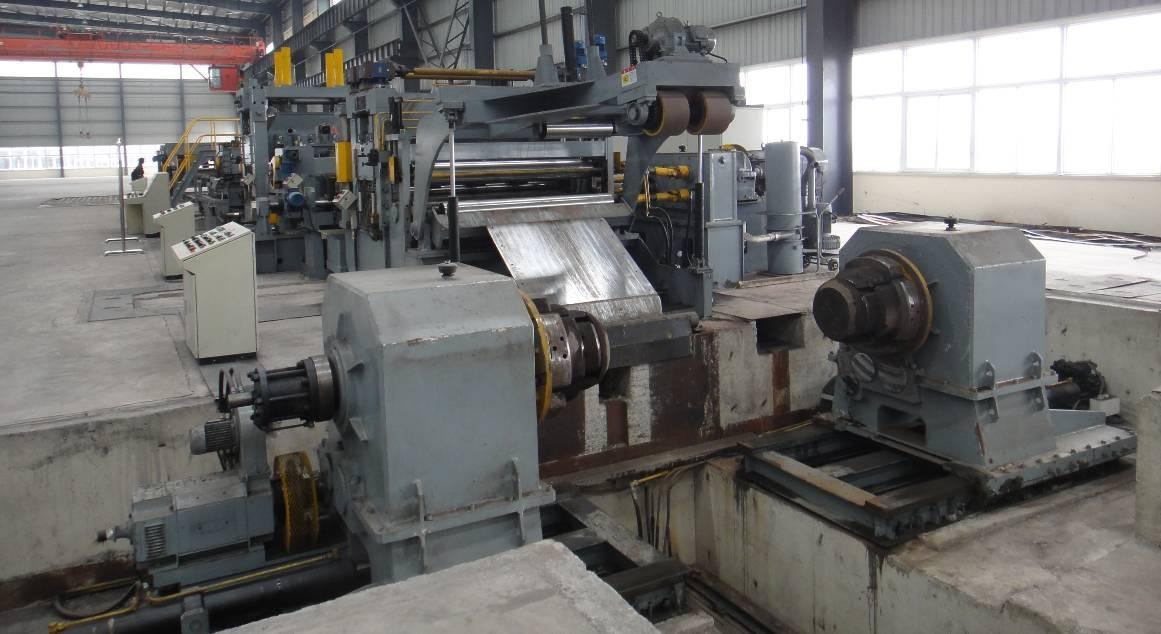
Forever Machinery is an example of a company that takes this approach, offering everything from coil handling to cutting as part of a system. They also provide support and help to get new lines working quickly.
Putting It All Together
Increasing tube mill productivity does not come from one fix. It takes a mix of faster tool changes, better control with digital systems, more flexibility with forming, good maintenance habits, smart speed settings, trained workers and a well-connected production line. Companies that think about productivity as a whole instead of just one part of the process are the ones who see the biggest gains in how much they make, how good it is and how much it costs.
If your factory is thinking about buying new machines or upgrading old ones, pay attention to how features like quick-change tooling, digital roll adjustment and direct forming are built into the machine. These choices often make the difference in how much you can produce in the long run.
Related Reading
- Choosing the Right ERW Tube Mill: A Practical Guide for Manufacturers
- Direct Forming vs Conventional Forming: Key Differences, Benefits and Applications
- ERW versus Seamless Pipe Manufacturing: Which One Is Appropriate for Your Project?
- High Frequency Welding Explained: Process, Benefits and Applications
- Why Saudi Arabia and the UAE Are Driving Demand for ERW Tube Mills