
When it comes to picking pipes for building or mechanical uses, a question keeps appearing over and over again: should a project use ERW (Electric Resistance Welded) pipe or seamless pipe? Both methods of production have built reputations in different industries, but they are very different in how they are made, how much they cost and where they work best. Understanding these differences is not just a technical matter. It directly affects buying choices, project budgeting and long-term equipment reliability.
In this blog we will explain how ERW and seamless pipes are made, compare their advantages and disadvantages and help you choose which one works best for your project.
What Is ERW Pipe Manufacturing?
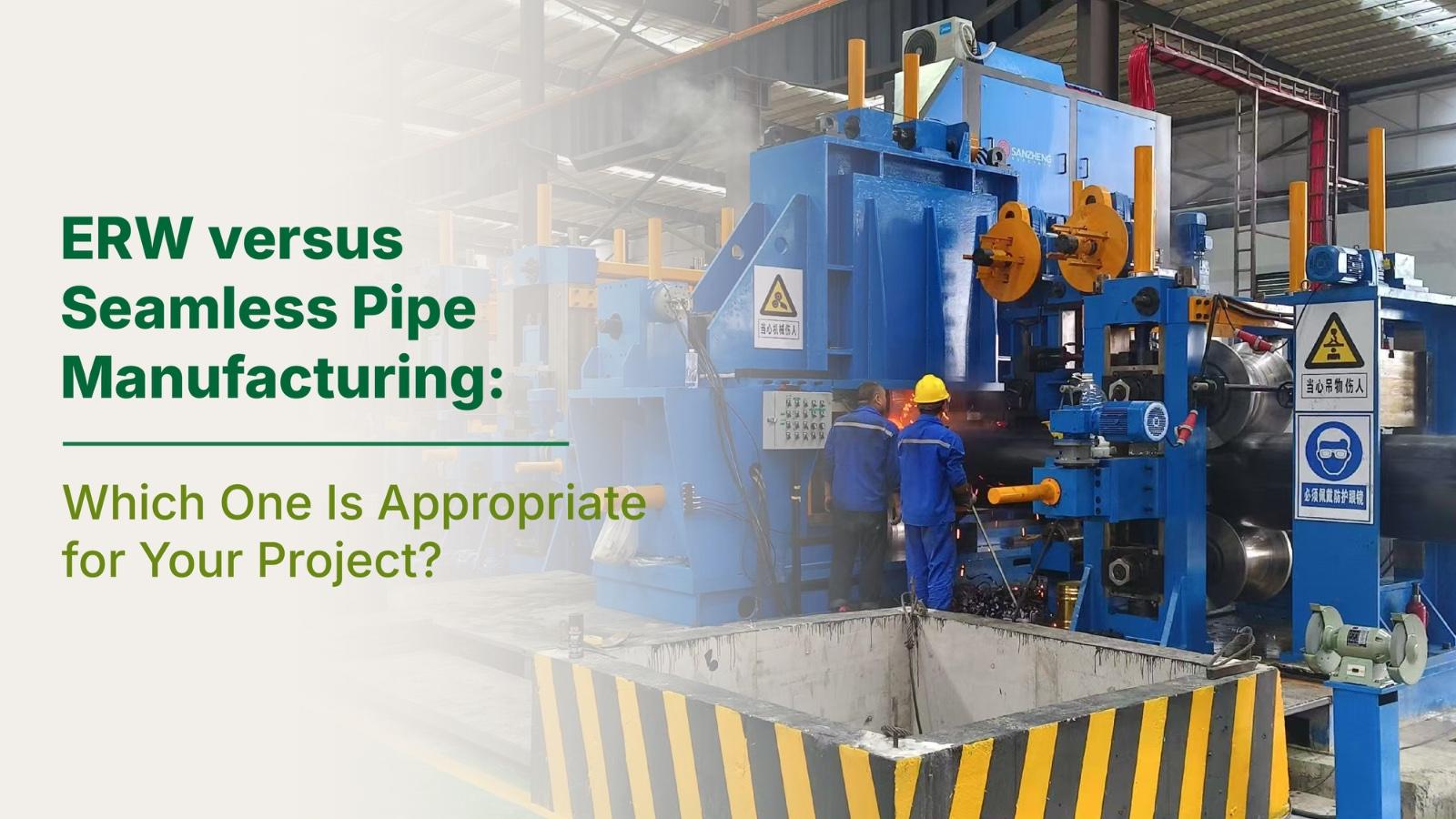
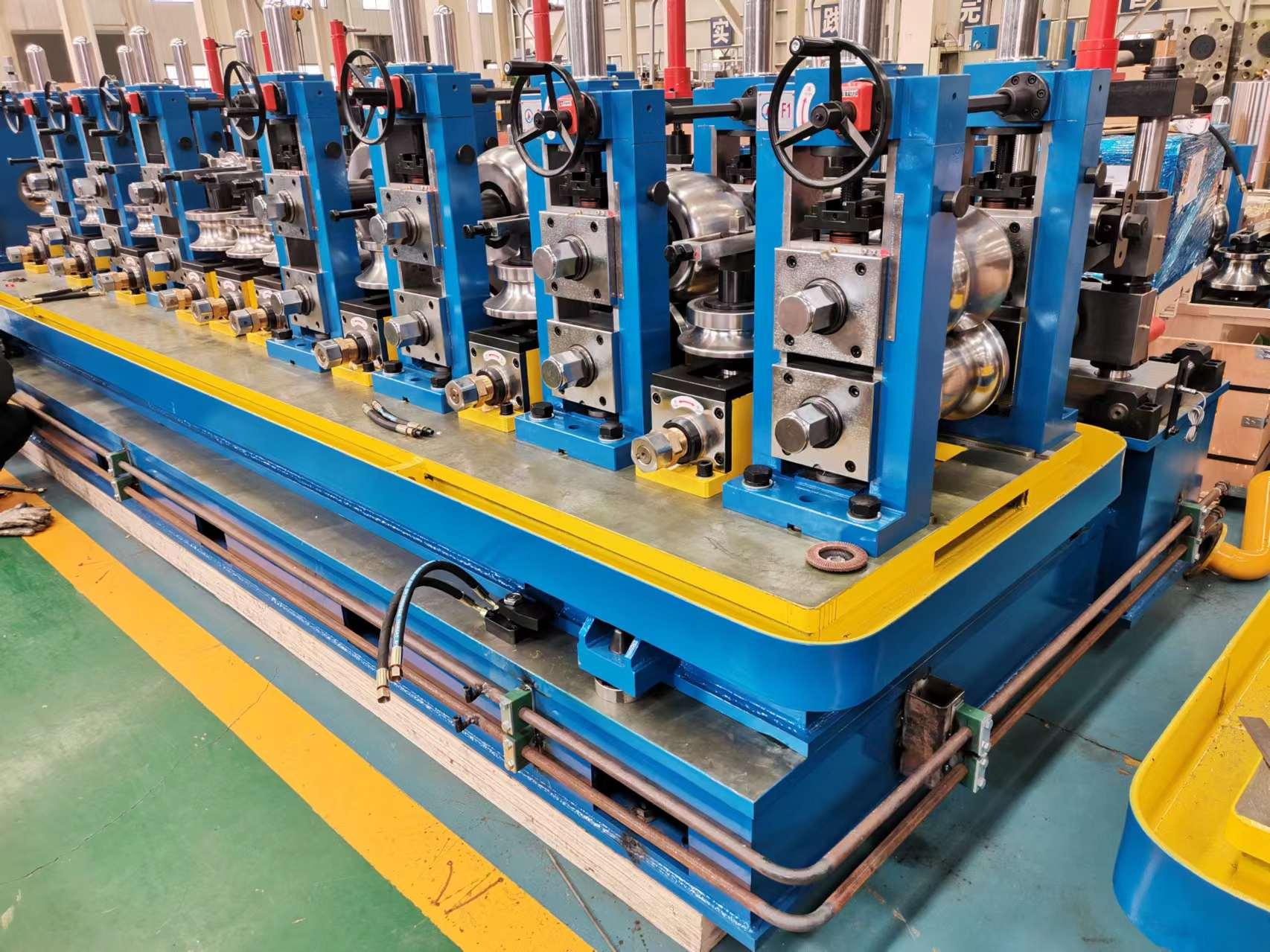
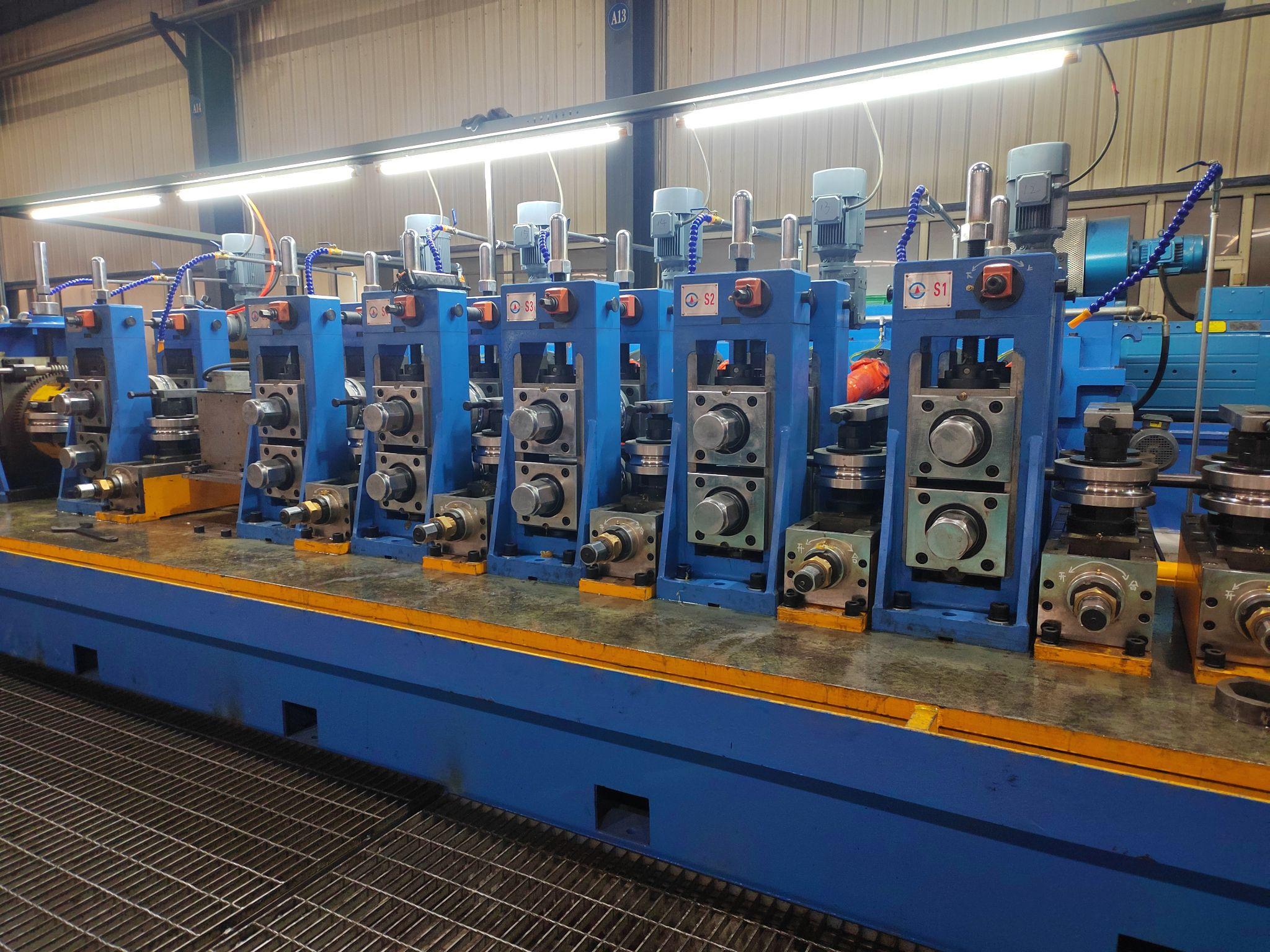
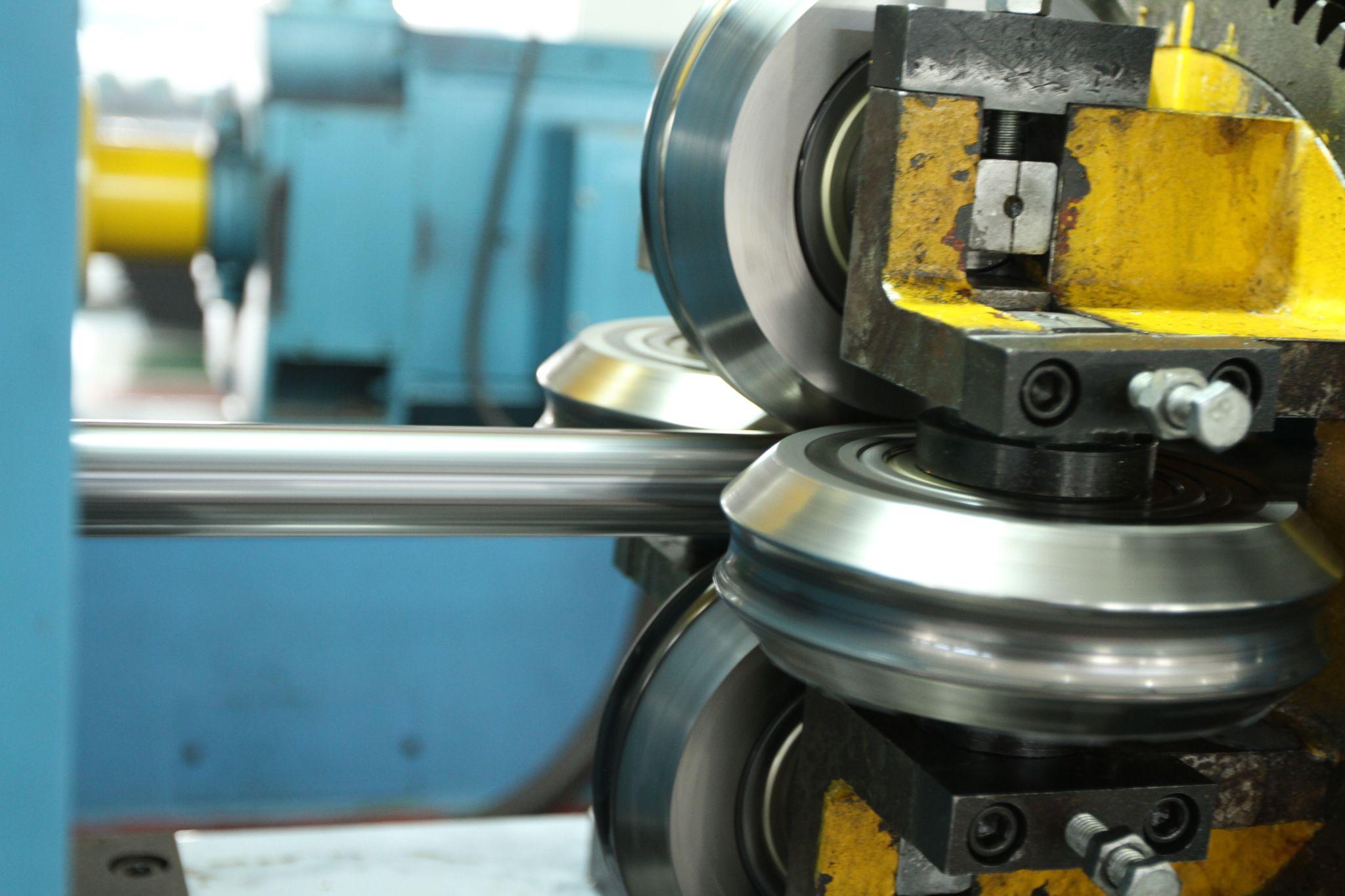
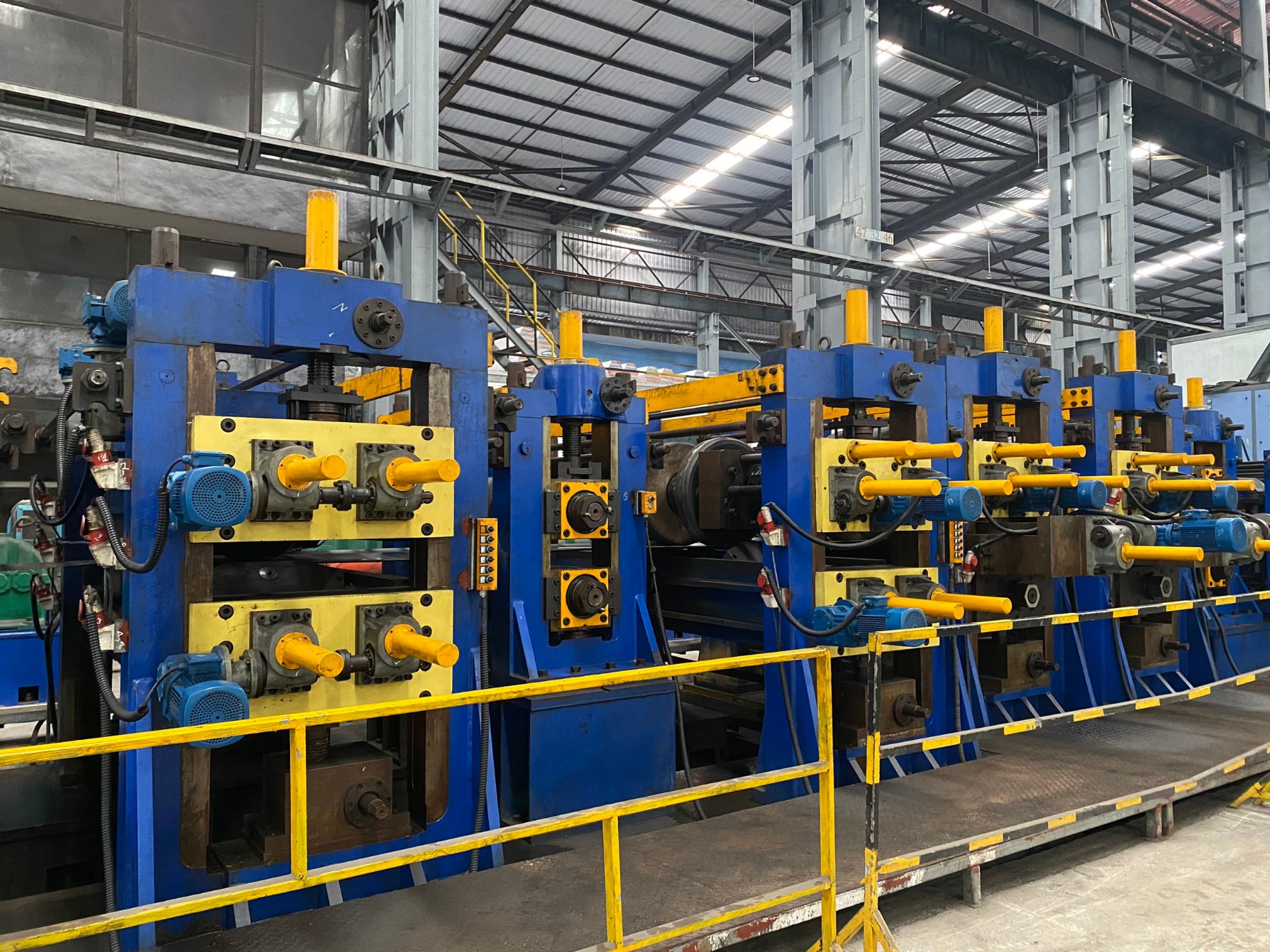
ERW pipe manufacturing starts with a steel coil. The coil is uncoiled, straightened and cut into strips of the required width. These strips are then passed through a series of forming rolls that gradually shape the strip into a round shape or into a square or rectangular tube. When the edges of each strip meet, a high-frequency electric current passes through them, creating a lot of heat at the seam. The edges are then pressed together under controlled pressure, joining the material without using any filler metal.
This whole process, from coil handling, cutting, forming and welding to final cutting, happens on a fast production line. Modern ERW tube mills are designed to run at speeds that often go beyond 100 meters per minute while keeping dimensional accuracy. Equipment makers with a lot of experience in this area, such as Forever Machinery, design their ERW tube mill manufacturing lines specifically to balance speed with accuracy so producers do not have to give up one for the other.
Because the process is continuous and does not involve piercing a piece of metal, ERW manufacturing is naturally more efficient with materials and faster than seamless production. This results in shorter production time and usually a lower cost per unit, especially for medium to large production quantities.
What Is Seamless Pipe Manufacturing?
Seamless pipe, as the name says, is made without any welded joint. The process usually starts with a round steel billet, which is heated to a very high temperature and then pierced through the middle using a piercing tool. This creates a hollow shell, which is then stretched and sized through more rolling processes, like mandrel mills or plug mills, to get the final wall thickness and size.
Because there is no welded joint, seamless pipes are often seen as having an even structure with no weak spot from a seam. This idea has made seamless pipe the go-to choice for very high-pressure uses, like oil and gas drilling, boiler tubing and some hydraulic systems.
However, seamless manufacturing is naturally slower and uses more energy. The piercing and stretching steps need a lot of heat, heavy machines and several processing steps, all of which increase the time and cost of production.
Strength and Structural Performance
This is one of the most discussed parts of the ERW versus seamless comparison. For years, seamless pipe was seen as the stronger option just because it did not have a weld seam. That difference has gotten much smaller.
Modern ERW manufacturing, with high-frequency induction welding and careful digital control over heat and pressure, makes weld seams that are very similar to the original material. When the process is handled on a calibrated modern tube mill, the weld area gets proper heat treatment and normalization, which greatly reduces the strength difference that older ERW processes had.
That said, for high-pressure or safety-critical uses like oil country tubular goods (OCTG) or nuclear-grade pipes, seamless pipe is still often required due to industry standards and long-established certification rules, not because of a big real-world performance gap.
For structural tubes, car parts, furniture-grade tubes, general mechanical uses and most building projects, well-made ERW pipe gives performance that meets or exceeds the needs of the project.
Cost Comparison
ERW pipe manufacturing has an advantage in cost. It uses steel coil instead of solid pieces of metal, needs fewer heating steps and runs much faster. Because of this, ERW production uses less material and energy per unit of output, and those savings show up directly in lower costs per meter or per ton.
Seamless pipe is more complicated to make and runs slower through the line. It usually costs 20 to 50 percent more, depending on size, type and market conditions. For building projects or high-volume production runs where money is tight, that extra cost adds up quickly.
Range and Flexibility
ERW manufacturing lines can handle a wide range of sizes. A well-designed tube mill can make anything from small precise tubes to large structural sections just by changing the tools and roll setups. Modern direct forming technology takes this further, allowing different sizes of sections to be made without changing the whole set of rolls for each size.
Seamless pipe production is limited by its piercing and rolling machines. Changing from one size to a different one often needs a lot of tool changes and causes downtime.
For manufacturers who work in multiple markets, such as a tube supplier working in construction, cars and general engineering, this flexibility is really important. That is why smart equipment makers focus a lot on quick-change tools and digital roll adjustments, letting producers switch between sizes fast without losing accuracy.
Companies like Forever Machinery have built a reputation in exactly this area, supplying ERW tube mills and direct forming lines designed to cut changeover time and increase dimensional flexibility so producers are not stuck with a narrow product range.
Production Speed and Efficiency
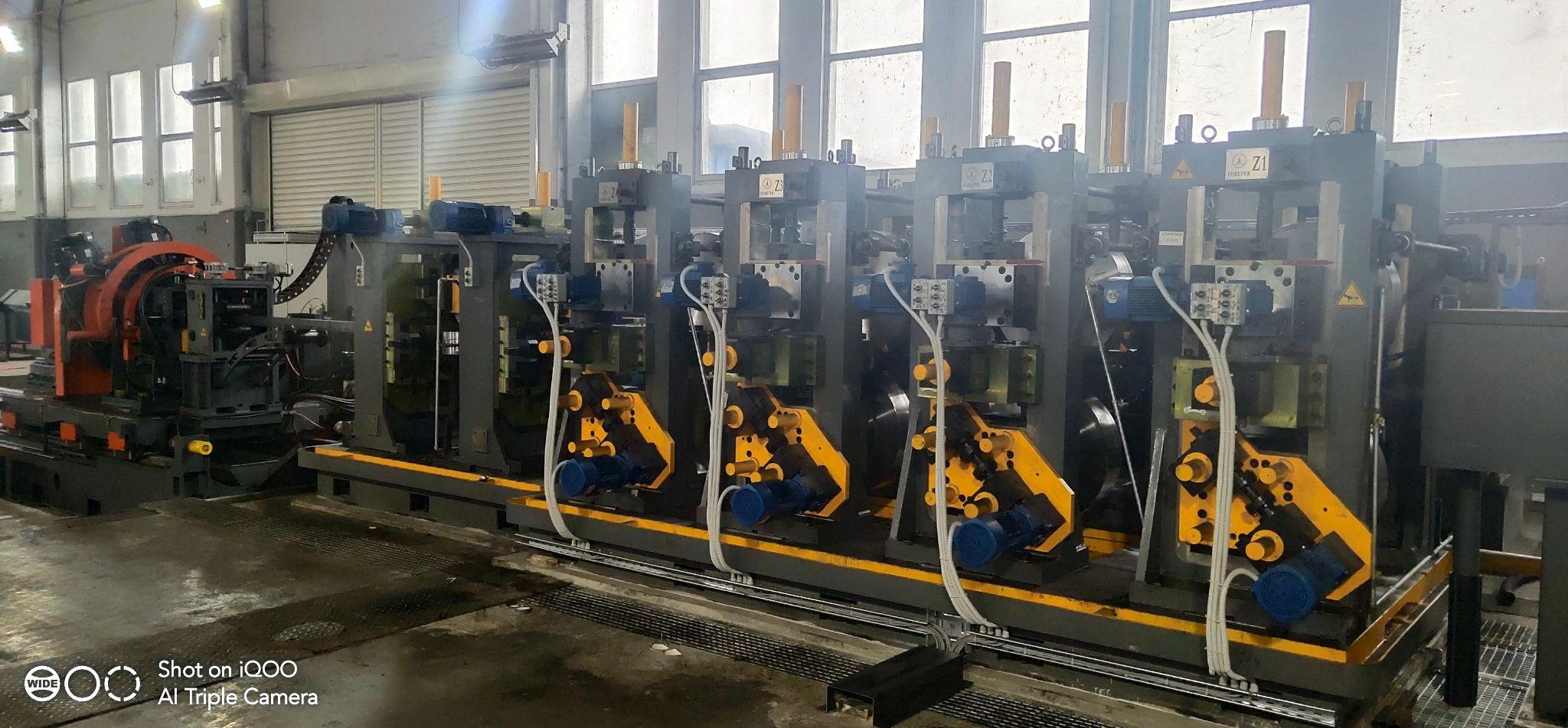
Speed is another difference. Modern ERW tube mills, those with high-frequency welding and automated digital controls, can run at speeds up to 160 meters per minute while keeping tolerances as tight as ±0.05 mm. Seamless pipe cannot match this speed since its forming steps are naturally slower and more step by step.
When manufacturers need to fill orders or meet tight delivery dates, this speed advantage can make the difference. That is a reason why equipment makers like Forever Machinery keep investing in precision forming and automation for the ERW process, since every percentage of downtime reduction means more output and lower cost per unit produced.
Which One Should You Pick?
The best choice depends on your project.
Pick ERW pipe if your project involves building uses, car parts, furniture making, general mechanical uses or fencing, where cost savings, fast delivery and the ability to change sizes are most important. Modern production technology has mostly fixed the quality issues that used to separate ERW from seamless.
Pick seamless pipe if your project needs the highest pressure ratings, operates in very tough environments like deep oil and gas drilling, or is under strict industry rules that specifically require seamless construction.
For the majority of industrial uses, ERW pipe made on a modern, well-built tube mill offers a great balance of strength, cost savings and production speed.
The Role of Equipment in Deciding Quality
It is important to note that the ERW versus seamless discussion often misses a key point: the quality of ERW pipe depends a lot on the equipment used to make it. A tube mill with inadequate welding tools, unstable forming and manual adjustments will naturally make lower quality results compared to a mill that has digital precision controls, stable high-frequency welding and fast tool changes.
That is why manufacturers who are investing in ERW production lines should focus on equipment that is built for consistency and long-term reliability. Suppliers who have years of experience in roll-forming engineering, offering everything from coil handling and cutting lines to forming and finishing as part of a full production solution, tend to give much more reliable weld quality and precise measurements than mills made from generic, disconnected parts.
Forever Machinery, for example, has over 40 years of roll-forming engineering experience and has supplied more than 1,000 ERW tube mill lines worldwide, combining years of traditional knowledge with modern digital roll adjustment systems to help manufacturers close the quality gap that once separated ERW from seamless production.
Final Thoughts
The choice between ERW and seamless pipe is not about one process being better overall. It is about matching the manufacturing method to the specific needs of your project. As ERW technology improves through better forming, accurate welding and automated digital controls, it is becoming the smart, cost-effective choice for more and more uses that used to go to seamless pipe.
For manufacturers looking to get into or grow their ERW pipe business, the equipment behind the process is just as important as the process itself. Working with a technically strong supplier like Forever Machinery can make the difference between making pipe that just meets the standards and making pipe that always outperforms them.
Related Reading
- Choosing the Right ERW Tube Mill: A Practical Guide for Manufacturers
- Direct Forming vs Conventional Forming: Key Differences, Benefits and Applications
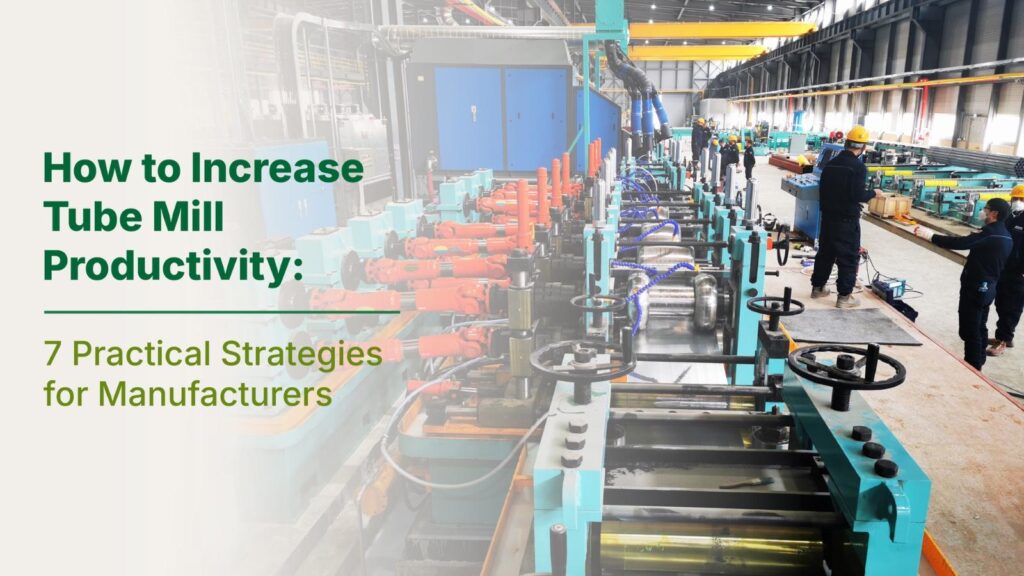
- How to Increase Tube Mill Productivity: 7 Practical Strategies for Manufacturers
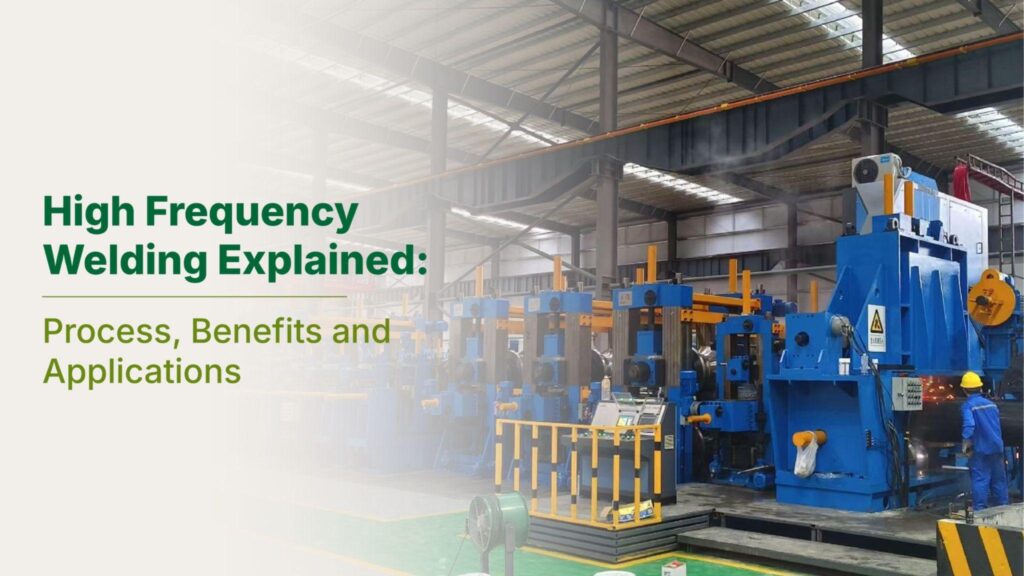
- High Frequency Welding Explained: Process, Benefits and Applications
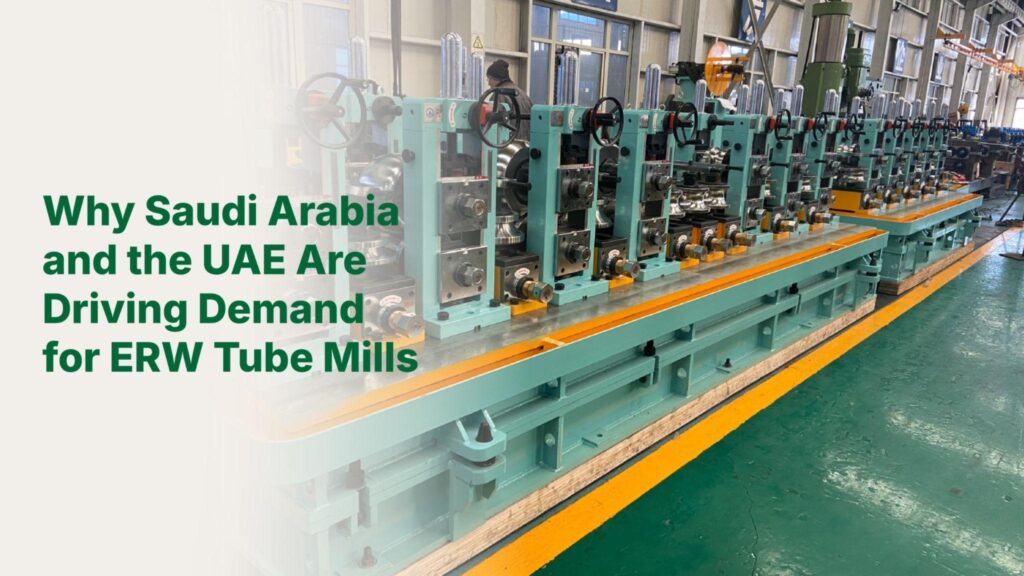
- Why Saudi Arabia and the UAE Are Driving Demand for ERW Tube Mills